
The fashion industry thrives on creativity, speed, and constant reinvention. Behind every runway show or product launch, however, lies a complex web of sourcing, production, inventory, logistics, finance, and sales. Managing all of this manually or through disconnected systems can slow growth and drain profits. That’s why more brands are turning to specialized Enterprise Resource Planning (ERP) software built specifically for fashion and apparel.
What Is ERP for the Fashion Industry?
ERP software is an integrated platform that connects and automates core business processes in one centralized system.
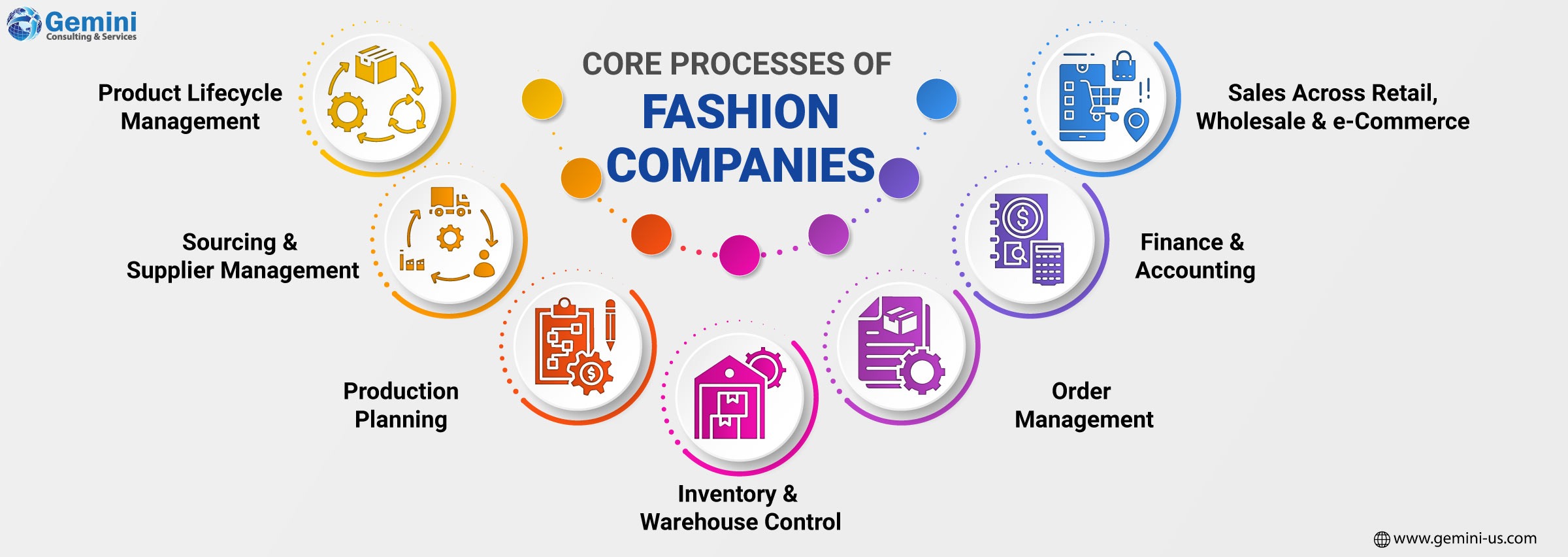
Instead of relying on spreadsheets or separate tools for each department, ERP creates a single source of truth. Every team works from the same real-time data, reducing confusion and improving performance across the organization.
1. Full Visibility Across the Business
Fashion operations are highly interconnected. Designers, merchandisers, sourcing teams, manufacturers, warehouses, and sales channels must stay aligned. When departments operate in silos, delays and costly errors are almost inevitable.
ERP software improves transparency by:
- Providing real-time data access for all departments
- Synchronizing production, inventory, and sales information
- Reducing duplicate work and miscommunication
For example, if a style’s order quantity changes or a design is updated, the system immediately reflects those changes across production schedules, material requirements, and inventory planning. This eliminates guesswork and prevents expensive last-minute disruptions.
2. Data-Driven Decision Making
Fashion trends can shift overnight. A style that performs well today may slow down tomorrow. Without accurate data, brands risk overproducing the wrong items or missing opportunities on trending products.
Modern ERP systems include advanced analytics and dashboards that help brands:
- Monitor daily sales performance
- Forecast demand for upcoming collections
- Track slow-moving and best-selling SKUs
- Adjust pricing and promotions quickly
Instead of relying on instinct, leaders can base decisions on real-time insights. This reduces excess inventory, improves sell-through rates, and protects margins.
3. Faster Time-to-Market
Speed is critical in fashion. Social media trends can generate instant demand, and brands that react quickly gain a competitive edge.
ERP systems accelerate product development by:
- Connecting design, sourcing, and production data
- Standardizing product creation workflows
- Automating approvals for pricing and vendors
- Integrating with PLM tools to streamline sampling and revisions
By shortening development cycles, brands can bring new styles to market in weeks rather than months, capturing demand while it’s still hot.
4. Managing Complex SKUs with Precision
Fashion and footwear companies deal with thousands of SKUs across different styles, colors, sizes, and fits. Add regional variations and channel-specific assortments, and the complexity multiplies rapidly.
ERP software simplifies this by:
- Managing style-color-size matrices in one system
- Maintaining accurate product hierarchies
- Tracking product costs and margins across the lifecycle
- Aligning seasonal calendars across teams
This level of control ensures accurate assortments across retail, wholesale, and online channels while maintaining profitability.
5. Stronger Supply Chain Control
Fashion supply chains often span multiple countries. Raw materials may come from one region, manufacturing from another, and final distribution from a third. Without centralized visibility, delays and inventory imbalances are common.
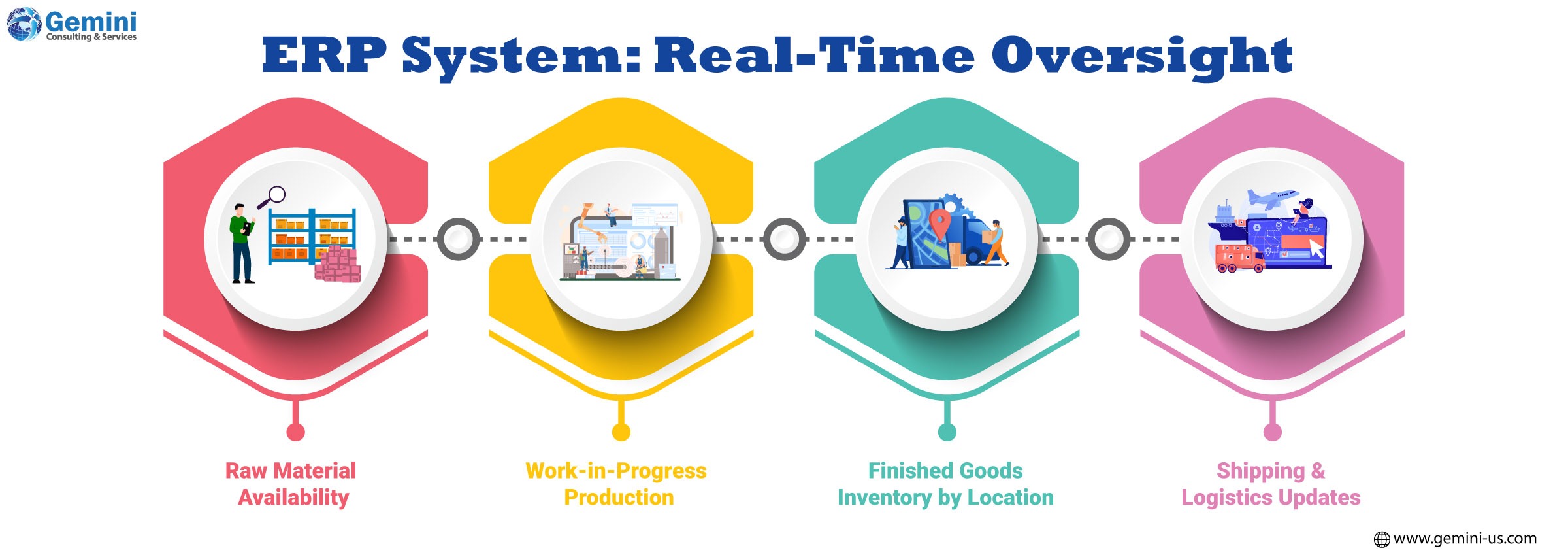
This visibility allows brands to prevent stockouts, reduce overproduction, and meet delivery commitments with confidence.
6. Omnichannel Inventory Management
Today’s customers expect a seamless shopping experience, whether they buy online, in-store, or through wholesale partners. Inventory inaccuracies across channels can lead to lost sales and frustrated customers.
ERP integrates all sales channels into one system, enabling brands to:
- View accurate stock levels across retail, e-commerce, and wholesale
- Allocate inventory intelligently
- Rebalance stock between stores and warehouses
- Avoid overselling or undersupplying key channels
This not only increases customer satisfaction but also reduces end-of-season markdowns by ensuring products are available where demand is strongest.
7. Improved Financial Control and Profitability
Margins in fashion can be tight. Fabric costs fluctuate, labor expenses rise, and markdowns impact profitability. Without accurate financial visibility, managing costs becomes difficult.
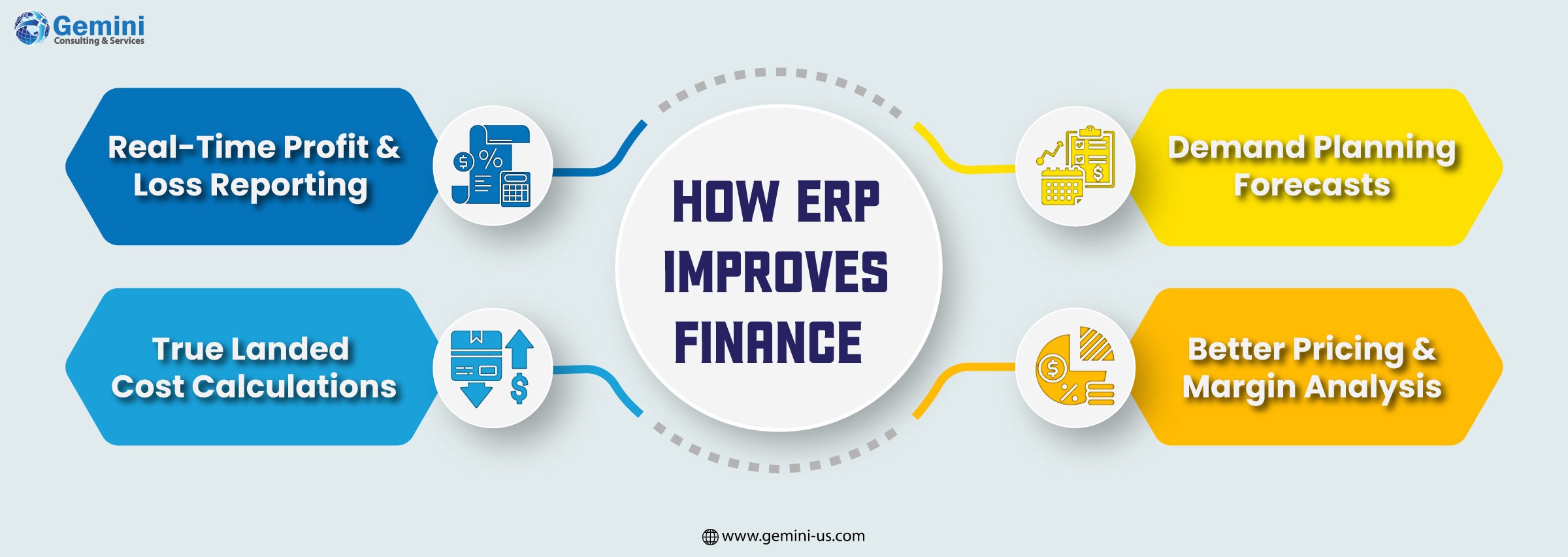
With clearer financial insights, brands can protect profitability while remaining competitive.
8. Scalability for Growing Brands
As fashion businesses expand, launching new product lines, entering new markets, or adding direct-to-consumer channels, operational complexity increases.
Cloud-based ERP solutions such as Microsoft Dynamics 365 are designed to scale with growth. They support:
- Multiple currencies and tax structures
- Multi-location warehouse management
- Global compliance requirements
- Additional users and product lines
Instead of layering disconnected systems, brands can grow on one unified platform.
9. Sustainability and Compliance Support
Consumers increasingly expect transparency around sourcing and production practices. Fashion brands must track environmental and social responsibility initiatives with reliable data.
ERP systems help by:
- Recording supplier certifications and compliance documents
- Tracing raw material origins
- Monitoring factory performance
- Consolidating ESG reporting
Improved demand forecasting also reduces waste by preventing overproduction, supporting more sustainable operations.
10. Enhanced Collaboration Across Teams
Designers, merchandisers, sourcing teams, finance professionals, and warehouse managers often operate with different priorities. Without a shared system, misalignment can slow progress.
ERP creates a single, unified data environment. When product specifications change or a vendor updates a delivery timeline, everyone sees the update immediately. This improves communication, reduces errors, and strengthens teamwork.
Why Fashion Brands Need Specialized ERP Solutions
Generic ERP systems can be powerful, but fashion companies often require industry-specific capabilities such as:
- Style-color-size matrix management
- Seasonal planning tools
- Retail replenishment automation
- Bulk and aggregate order management
- Forecast integration and allocation controls
Many brands attempt to patch together generic ERP platforms with third-party add-ons. This can create technical complexity and inefficiency. Increasingly, companies are seeking cloud-based ERP systems tailored specifically for fashion and apparel, eliminating the need for multiple disconnected tools.
If you are searching for a trusted technology partner to deploy a tailored ERP solution for your fashion business, Gemini Consulting & Services is here to support you. Contact us to discover how an integrated ERP system can enhance your supply chain transparency and deliver precise, data-driven demand forecasting.
The Strategic Advantage of ERP in Fashion
Behind the glamour of fashion lies a demanding operational engine. Consumers expect constant newness, accurate stock levels, quick delivery, and ethical production practices. Meeting these expectations without a centralized system is extremely challenging.
ERP software serves as the operational backbone of a fashion brand. It connects data from finance, supply chain, manufacturing, retail, and e-commerce into one platform. This integration enables:
- Better inventory control
- Faster product launches
- Stronger financial oversight
- Improved customer experiences
- Sustainable and compliant operations
By unifying processes and delivering real-time insights, ERP systems position fashion brands to operate efficiently, respond quickly to trends, and scale confidently.
Final Thoughts
In today’s fast-moving fashion landscape, creativity alone isn’t enough. Operational excellence determines whether a brand thrives or falls behind. A specialized ERP solution gives fashion and footwear companies the structure, visibility, and agility needed to compete effectively.
With the right ERP platform in place, brands can move faster, reduce costs, improve margins, and deliver the seamless experiences modern consumers expect, all while preparing for sustainable, long-term growth.