Enterprise Resource Planning (ERP) has transformed the way businesses operate. What started as simple record-keeping and inventory management has evolved into intelligent, cloud-based platforms that connect every part of an organization. Today, ERP systems are more than software, they are strategic tools that help businesses improve efficiency, make faster decisions, and adapt to a rapidly changing digital landscape.
Life Before ERP
Before ERP systems existed, businesses managed each department independently. Accounting relied on paper ledgers, inventory was tracked manually, procurement handled printed purchase orders, and HR maintained employee records separately. As organizations grew, many adopted standalone software such as Tally, QuickBooks, or department-specific applications, but these systems rarely communicated with one another.
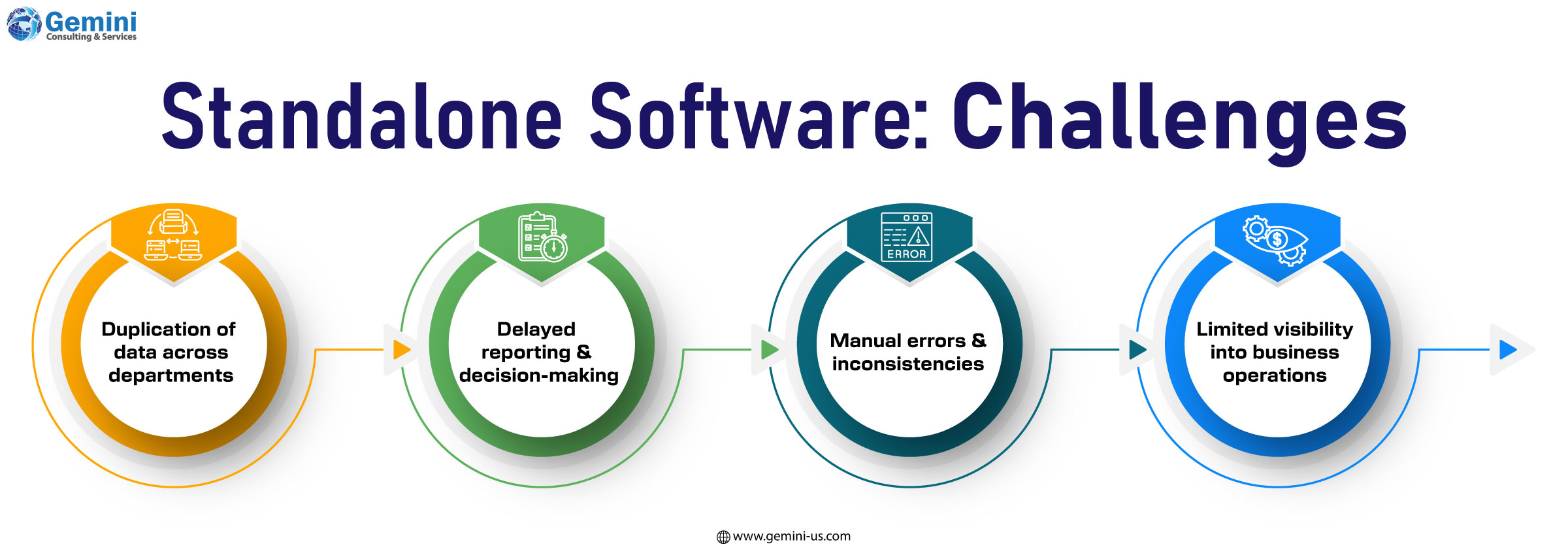
- Duplicate data across departments
- Delayed reporting and decision-making
- Manual errors and inconsistencies
- Limited visibility into business operations
As companies expanded, it became clear that businesses needed a unified system capable of connecting every department through a single source of accurate information.
The Beginning: MRP and MRP II
The foundation of ERP dates back to the 1960s with the introduction of Material Requirements Planning (MRP). Initially developed for manufacturing, MRP helped organizations determine what materials were required, when they were needed, and how to manage production schedules efficiently.
During the 1980s, MRP evolved into Manufacturing Resource Planning (MRP II). This expanded the system beyond inventory management by integrating production planning, labor scheduling, equipment utilization, and financial planning.
These innovations introduced businesses to the concept of integrated operations and demonstrated how technology could improve efficiency across manufacturing processes.
The Rise of ERP in the 1990s
The 1990s marked a turning point with the emergence of Enterprise Resource Planning. ERP systems combined multiple business functions, including finance, procurement, manufacturing, inventory, sales, and human resources, into a single integrated platform supported by a centralized database.
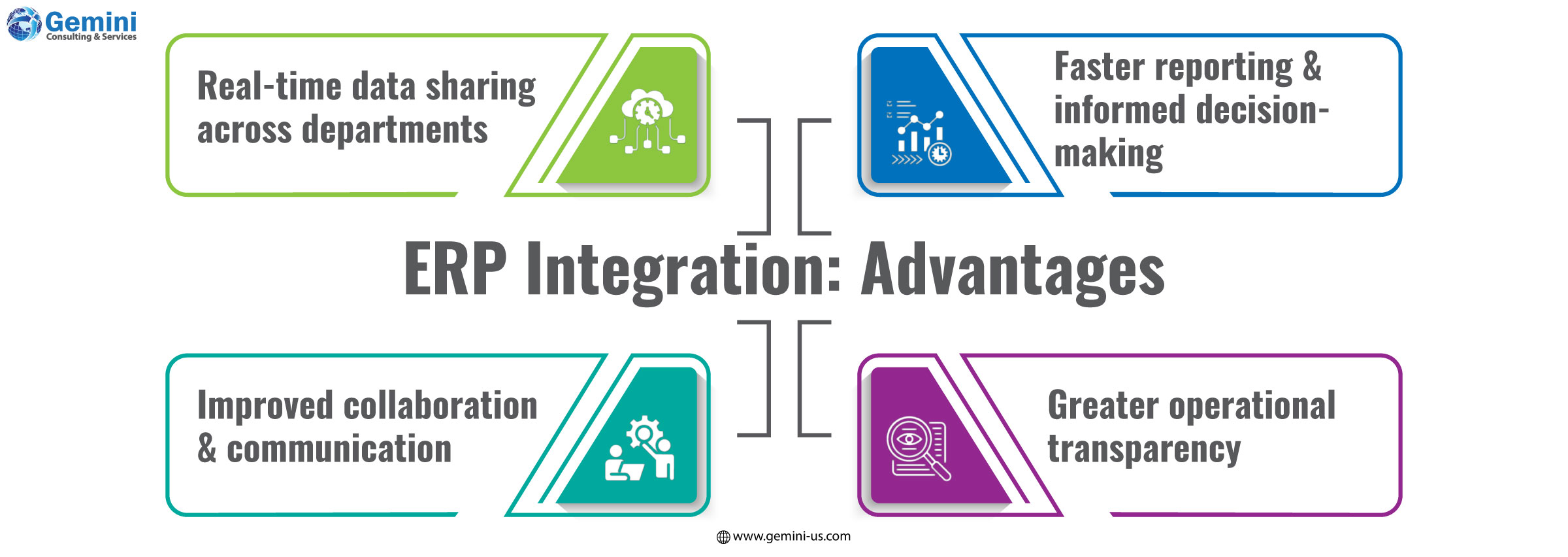
- Real-time data sharing across departments
- Improved collaboration and communication
- Faster reporting and informed decision-making
- Greater operational transparency
Despite these benefits, early ERP solutions were designed primarily for large enterprises. High licensing costs, expensive hardware requirements, lengthy implementation projects, and complex customization made them inaccessible for many small and medium-sized businesses.
The Web-Based ERP Era
As the internet expanded in the late 1990s and early 2000s, ERP systems evolved from traditional on-premises deployments to web-based applications. Earlier ERP solutions relied on in-house servers and dedicated IT teams for maintenance, security, upgrades, and licensing management.
Instead of installing software on every computer, users could access ERP systems through web browsers. This simplified deployment, reduced infrastructure complexity, and made enterprise software more accessible.
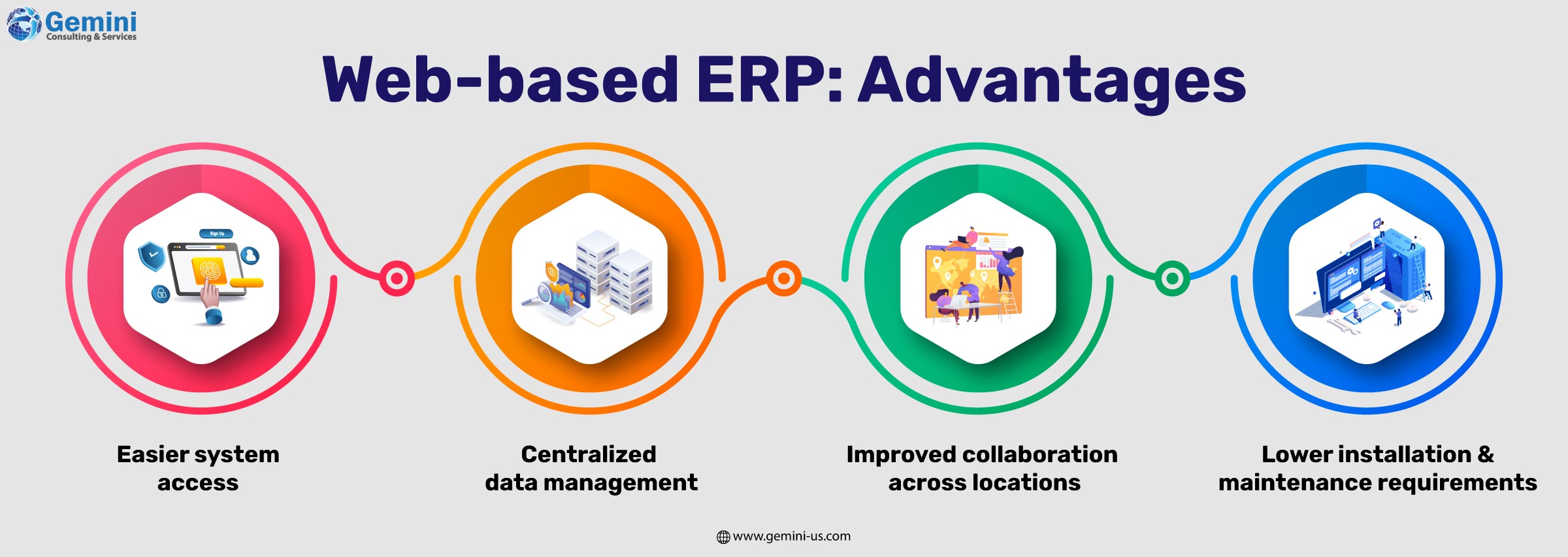
- Easier system access
- Centralized data management
- Improved collaboration across locations
- Lower installation and maintenance requirements
However, many solutions still relied on on-premises servers and required dedicated IT teams to manage upgrades, security, and maintenance. Licensing costs also remained relatively high, limiting adoption among smaller organizations.
Cloud ERP Changes the Game
Cloud computing has significantly reshaped ERP software by eliminating many of the limitations associated with traditional on-premises systems.
Unlike on-premises ERP, cloud-based solutions are hosted by service providers and delivered over the internet. Organizations no longer need to invest heavily in servers or infrastructure, making ERP affordable for businesses of every size.
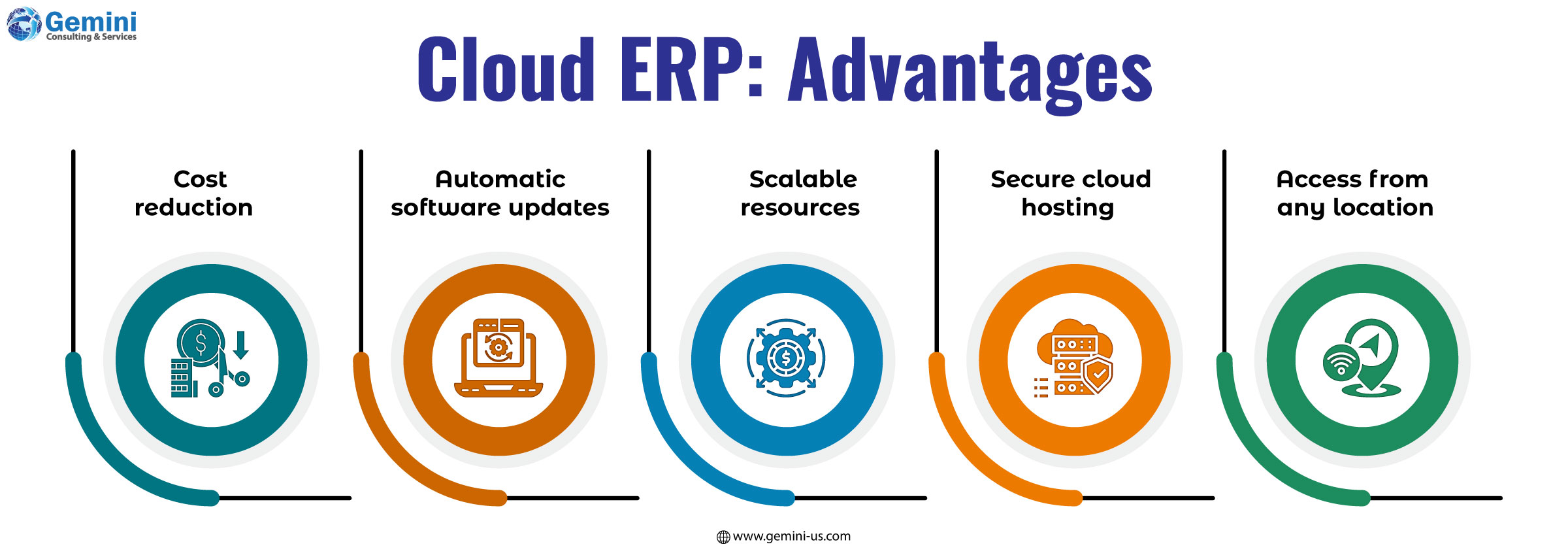
- Subscription-based pricing with lower upfront investment
- Automatic software updates and maintenance
- Scalable resources that grow with the business
- Secure cloud hosting with improved reliability
- Access from any location using desktops, tablets, or smartphones
Cloud technology also supports remote work and global collaboration, allowing employees to access critical business information whenever identify trends, forecast demand, automate invoice processing, recommend purchasing decisions, and detect unusual business activity. Machine learning continuously improves these and wherever they need it.
ERP Becomes Smarter
Modern ERP systems have evolved far beyond transaction processing. Emerging technologies have transformed ERP into an intelligent business platform capable of analyzing data, predicting outcomes, and automating routine tasks.
Artificial Intelligence and Machine Learning
AI-powered ERP systems can identify trends, forecast demand, automate invoice processing, recommend purchasing decisions, and detect unusual business activity. Machine learning continuously improves these processes by learning from historical data.
Internet of Things (IoT)
Connected devices and smart sensors now feed real-time operational data directly into ERP systems. Manufacturers can monitor equipment performance, predict maintenance needs, and optimize production with minimal human intervention.
Predictive Analytics
Instead of simply reporting historical performance, ERP systems use predictive analytics to forecast sales, optimize inventory levels, reduce supply chain disruptions, and improve business planning.
Mobile Accessibility
Today's ERP platforms are designed for mobility. Managers can approve workflows, monitor key performance indicators, and access reports from virtually any internet-connected device.
From Transactional Systems to Intelligent Platforms
The role of ERP has shifted dramatically over the decades.
Earlier ERP systems primarily recorded business transactions and generated reports after events had occurred. Modern ERP platforms actively analyze data in real time, automate repetitive work, and provide recommendations that support faster, more informed decisions.
This evolution has transformed ERP from a system of record into a system of intelligence that helps organizations become more agile and competitive.
Benefits for Modern Businesses
Cloud-based intelligent ERP solutions now deliver value to organizations of all sizes—not just large enterprises.
Key benefits include:
- Centralized business data
- Improved operational efficiency
- Faster and more accurate decision-making
- Enhanced collaboration across departments
- Reduced operational costs
- Better customer service
- Greater scalability for business growth
- Stronger security and compliance
Whether a business operates locally or globally, ERP provides the visibility and control needed to manage increasingly complex operations.
If your company is looking for integrating AI with your ERP system, Gemini Consulting & Services can assist you. Contact us to know how we can provide you a customized roadmap for a successful modernization of your business.
What Does the Future Hold?
The evolution of ERP is far from complete. Future ERP platforms will become increasingly intelligent by leveraging advances in artificial intelligence, automation, predictive analytics, and modular cloud-based architectures.
Businesses can also expect stronger integration with emerging technologies, including robotics, advanced analytics, and connected ecosystems that enable seamless communication across suppliers, customers, and business partners.
As digital transformation continues, ERP will play an increasingly central role in helping organizations adapt quickly to market changes and maintain a competitive advantage.
Conclusion
The journey of ERP reflects the broader evolution of business technology, from manual record-keeping and isolated software applications to integrated, cloud-based platforms powered by artificial intelligence and real-time analytics.
Modern ERP systems no longer simply manage business processes; they enable organizations to make smarter decisions, automate routine operations, and respond proactively to new opportunities. As technology continues to advance, ERP will remain a critical foundation for organizations seeking efficiency, agility, and sustainable growth in an increasingly connected world.