
The energy industry is at a turning point. Companies are no longer focused solely on production and profitability. They are also navigating sustainability goals, regulatory pressures, and rapid technological change. Against this backdrop, SAP S/4HANA has emerged as a critical digital foundation, helping organizations transition from reactive operations to proactive, data-driven strategies.
With the 2027 deadline for the end of mainstream support for legacy SAP ECC systems approaching, 2026 represents a decisive year. Energy companies must act now, not just to migrate systems, but to rethink how they operate in a dynamic and increasingly complex environment.
The Shifting Energy Landscape
Energy providers today face a dual challenge: maintaining traditional hydrocarbon operations while investing in renewable energy sources. This balancing act introduces new operational complexities, from managing distributed energy resources to complying with stricter environmental regulations.
At the same time, digital transformation is no longer optional. Companies must harness data, automation, and advanced analytics to remain competitive. This is where SAP S/4HANA becomes essential. It provides a unified platform to integrate operations, finance, and sustainability efforts.
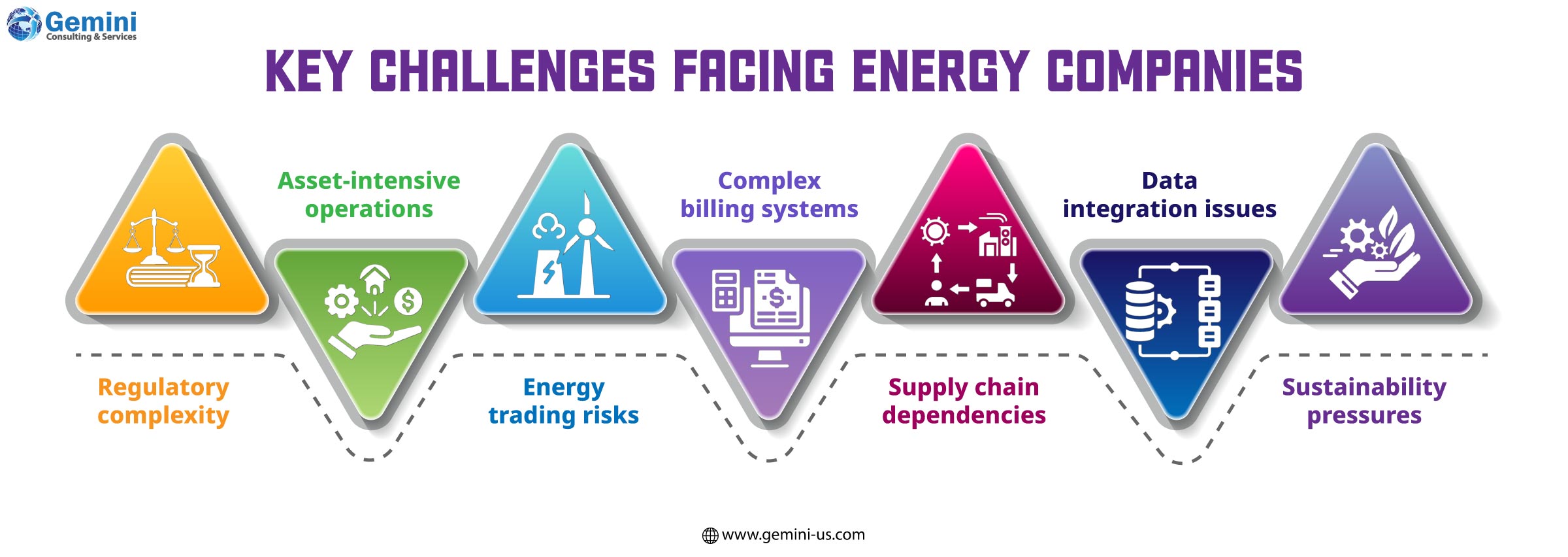
Implementing enterprise systems in the energy sector is uniquely demanding. Companies must deal with:
- Regulatory Complexity: Strict compliance and reporting requirements demand accurate, real-time data.
- Asset-Intensive Operations: Managing infrastructure such as power plants and grids requires robust lifecycle and maintenance tracking.
- Energy Trading Risks: Market volatility calls for advanced tools to manage contracts, pricing, and risk exposure.
- Complex Billing Systems: Diverse customer segments and tariff structures complicate revenue management.
- Supply Chain Dependencies: Ensuring availability of critical components is vital to avoid service disruptions.
- Data Integration Issues: Massive data flows from IoT devices, smart meters, and operational systems must be unified and accurate.
- Sustainability Pressures: Companies must track emissions, energy usage, and environmental impact with increasing transparency.
These challenges demand more than a traditional ERP. They require an intelligent, scalable, and future-ready system.
With more than ten years of experience supporting power utility companies, Gemini Consulting & Services helps energy-sector organizations enhance efficiency through SAP S/4HANA. Contact us to learn how our experts can design a tailored roadmap for your S/4HANA implementation.
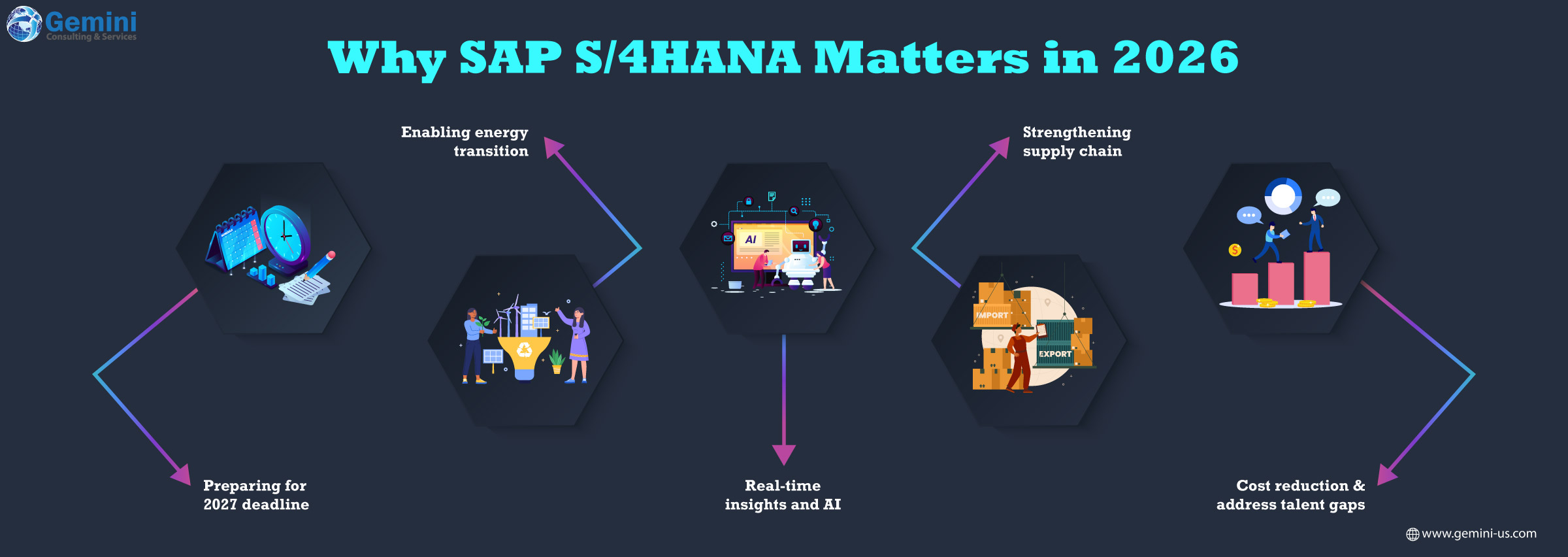
1. Preparing for the 2027 Deadline
With SAP ECC support ending in 2027, delaying migration increases risks and costs. Transitioning in 2026 allows organizations to adopt a structured, value-driven approach rather than rushing into last-minute upgrades. It also ensures stronger security and compliance as legacy systems phase out.
2. Enabling the Energy Transition
SAP S/4HANA helps companies manage both conventional and renewable energy operations. It supports real-time tracking of carbon emissions and sustainability metrics, enabling organizations to align financial performance with environmental goals. This is crucial as ESG reporting becomes more stringent worldwide.
3. Real-Time Insights and AI-Driven Operations
One of the platform’s biggest advantages is real-time data processing. With in-memory computing, businesses gain instant visibility into operations, enabling faster and more informed decision-making.
By integrating IoT and AI, companies can shift to predictive maintenance anticipating equipment failures before they occur. This reduces downtime, extends asset life, and significantly improves operational efficiency.
4. Strengthening Supply Chain Resilience
Energy supply chains are complex and often global. SAP S/4HANA improves visibility across procurement, logistics, and inventory, helping organizations respond quickly to disruptions and optimize resource allocation.
5. Reducing Costs and Addressing Talent Gaps
Moving to a cloud-based environment lowers infrastructure and maintenance costs while increasing scalability. Additionally, early adoption helps companies secure skilled professionals before demand peaks, avoiding future talent shortages.
Supporting Sustainability and Green Energy Goals
Sustainability is no longer a side initiative; it is central to business strategy. SAP S/4HANA integrates sustainability into core operations, enabling companies to track, measure, and improve their environmental impact.
Supply Chain Sustainability
The platform allows organizations to monitor emissions across their supply chains. Tools like product footprint management provide insights into the carbon impact of products throughout their lifecycle, ensuring compliance with global regulations.
Cloud-Driven Efficiency
Migrating to cloud infrastructure reduces energy consumption and carbon emissions. It also enhances system performance and scalability, supporting long-term growth.
Real-Time Sustainability Insights
With a centralized data system, companies can track energy usage, waste, and emissions in real time. This enables smarter decisions, such as adjusting production to reduce overuse of resources.
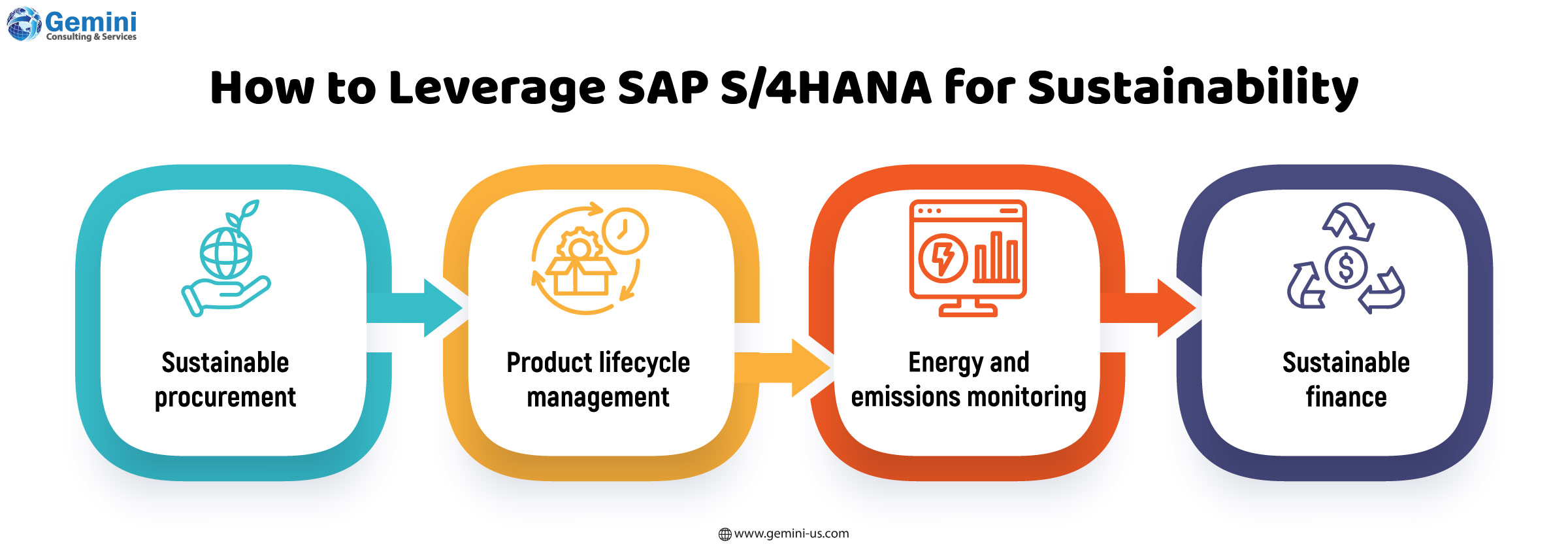
Energy companies can unlock several capabilities within SAP S/4HANA to advance sustainability:
- Sustainable Procurement: Select and manage suppliers based on environmental performance.
- Product Lifecycle Management: Design products and processes with recyclability and efficiency in mind.
- Energy and Emissions Monitoring: Track environmental metrics and set measurable reduction targets.
- Sustainable Finance: Align financial reporting with ESG goals and provide transparent disclosures to stakeholders.
Final Thoughts
The transition to SAP S/4HANA is more than a technical upgrade, it is a strategic move that defines how energy companies will operate in the future. As the 2027 deadline approaches, 2026 becomes the critical window for action.
Organizations that embrace SAP S/4HANA early will gain a competitive edge through improved efficiency, stronger compliance, and enhanced sustainability. More importantly, they will be better equipped to navigate the energy transition, balancing profitability with environmental responsibility in an increasingly complex world.